
Launch Systems

SpaceX Starship

Program tracker

What Starship has actually done so far, in plain English.

Starship is still a flight-test program, which means the story is not just about launches. It is about what each flight proved: stage separation, controlled reentry, booster catches, in-space relights, first reuse, and the first real payload deployment demos. This page pulls those milestones into one place.

Integrated launches through Flight 12
12

SpaceX's launch schedule lists the twelfth integrated test on May 21, 2026.

Officially confirmed payload deploys
16

Two successful demos of eight Starlink simulators each on Flights 10 and 11.

Unique Super Heavy boosters flown
11

Flight 9 was the first booster reflight; the rest have been fresh boosters.

Starships produced
36+

SpaceX said on May 12, 2026 that it had produced more than three dozen Starships.

On Site

Starship already feels different in person than it does online.

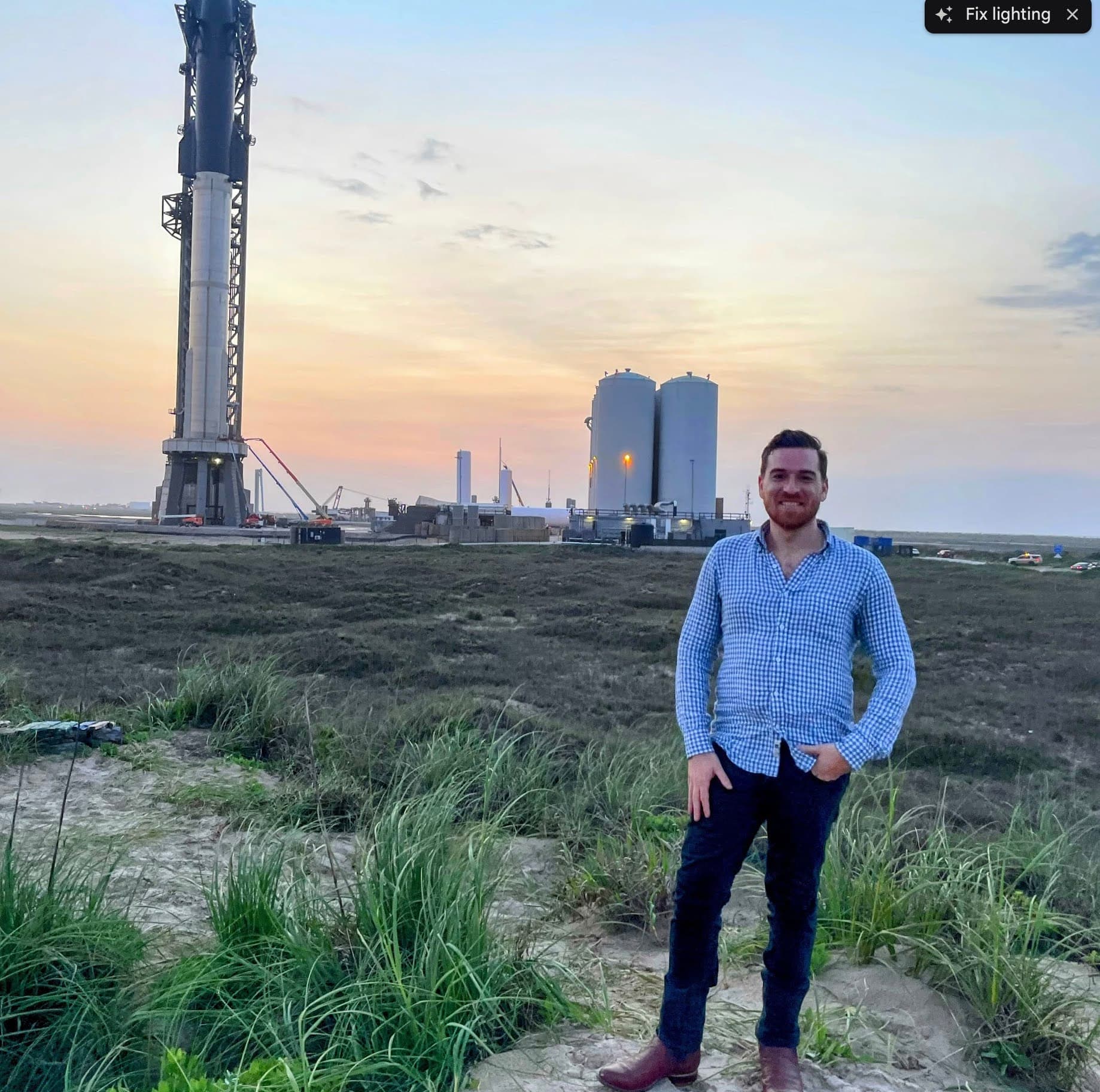
One of the interesting things about Starship is how quickly it shifts from internet spectacle to physical industrial object when you are actually near it. The stack, the tower, the tank farm, the coastline, and the scale of the hardware all make the program feel more real and more unfinished at the same time.

That is part of the honest story here. Starship is not a museum piece yet. It is an active, changing flight system being pushed in public view.

Starship stack seen from the beach near Starbase
The Big Picture

Starship is moving from “can this even work?” to “can this work repeatedly?”

The early flights were about surviving ascent, separation, and reentry. The later flights shifted toward catching boosters, reflying boosters, deploying payloads, and pushing toward the kind of fast turnaround that would make the system economically and operationally meaningful.

Flights 1 to 6

These built the basics: first integrated liftoff, first hot-stage separation, first full-duration Starship ascent, first propellant transfer demo, first controlled reentries, first soft splashdowns, and the first in-space Raptor relight.
Flights 7 to 11

This stretch introduced second-generation Starships, repeated booster catches, the first Super Heavy reflight, and the first successful payload deployments from Starship.

Flight 12 and beyond

SpaceX framed Flight 12 as the debut of Starship V3, Super Heavy V3, Raptor 3, and a new launch pad. It marks the transition from proving the basics to pushing toward higher reuse and bigger payload operations.

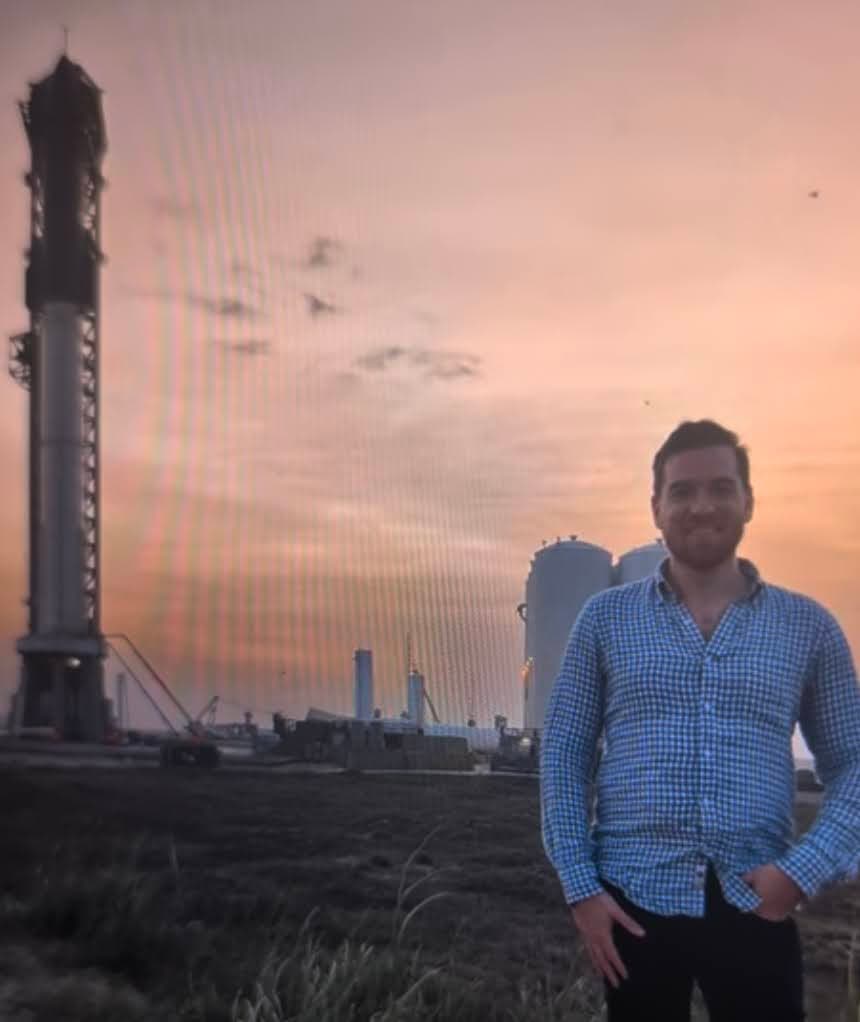
Visitor photo at Starbase beside the Starship launch tower at sunset
Why People Care

Part of Starship's pull is that it feels like future hardware you can actually go stand next to.

Rockets usually arrive in public memory as finished icons. Starship is happening in a stranger way. People can watch the vehicles evolve in almost real time, see the tower catches, follow the redesigns, and visit the edge of the program while it is still becoming itself.

That does not make the vehicle successful by itself, of course. But it does explain why the program feels unusually personal to so many people watching it.

Every Integrated Launch

Here is the campaign flight by flight.

This table tracks the integrated Starship and Super Heavy campaign through Flight 12. Where SpaceX has published post-flight pages, the milestones are phrased from those summaries. For Flight 12, the launch schedule and mission page confirm the launch date and planned test objectives, but SpaceX had not yet published the same style of post-flight recap when this page was assembled on May 23, 2026.

FlightDateStarshipSuper HeavyKey milestonePayload result
Flight 1April 20, 2023New upper stageNew boosterFirst ever integrated Starship and Super Heavy launch. Reached about 39 km but did not complete stage separation.No deploy
Flight 2November 18, 2023New upper stageNew boosterFirst full-duration Super Heavy ascent burn, first successful hot-stage separation, and first Starship to reach outer space.No deploy
Flight 3March 14, 2024New upper stageNew boosterFirst full-duration Starship ascent burn, first payload-door test in space, first propellant transfer demo, and first reentry from space.No deploy
Flight 4June 6, 2024New upper stageNew boosterFirst controlled Super Heavy splashdown and first controlled Starship splashdown after a full reentry profile.No deploy
Flight 5October 13, 2024New upper stageNew boosterFirst successful catch of a Super Heavy booster by Mechazilla.No deploy
Flight 6November 19, 2024New upper stageNew boosterCatch was waved off, but the booster still soft-splashed successfully. Starship completed the first in-space relight of a Raptor engine.No deploy
Flight 7January 16, 2025New upper stageNew boosterFirst second-generation Starship flight and second successful booster catch. Upper stage was lost during ascent.No deploy
Flight 8March 6, 2025New upper stageNew boosterThird successful booster catch. Upper stage was lost during ascent after an engine anomaly.No deploy
Flight 9May 27, 2025New upper stageReflown booster from Flight 7First ever Super Heavy reflight. Booster was lost during landing burn; Starship reached coast phase but could not deploy payload.0 deployed; payload bay door failed to open
Flight 10August 26, 2025New upper stageNew boosterEvery major objective was met, including the first successful payload deployment from Starship and the second in-space Raptor relight.8 Starlink simulators deployed
Flight 11October 13, 2025New upper stageNew boosterFinal flight of the second-generation Starship and first-generation Super Heavy, with every major objective achieved.8 Starlink simulators deployed
Flight 12May 21, 2026New V3 upper stageNew V3 boosterDebut of Starship V3, Super Heavy V3, Raptor 3, and the new Pad 2 architecture. SpaceX listed the mission as the next big step toward faster reuse.22 simulators were planned; official post-flight deployment result was not yet published when this page was assembled on May 23, 2026
Visual Milestones

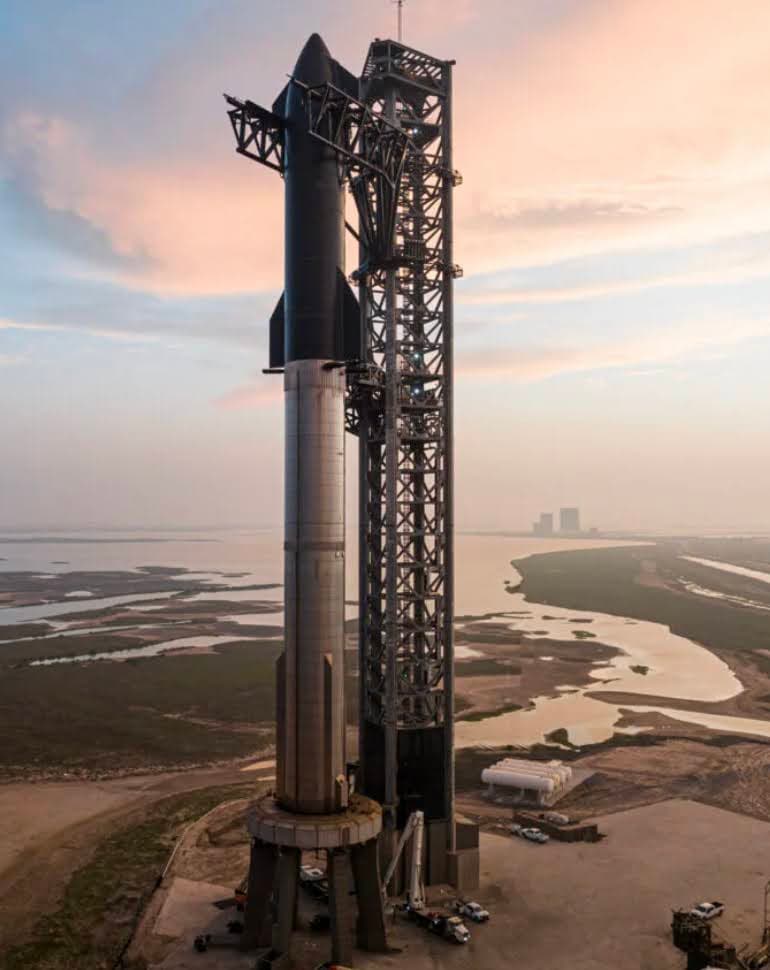
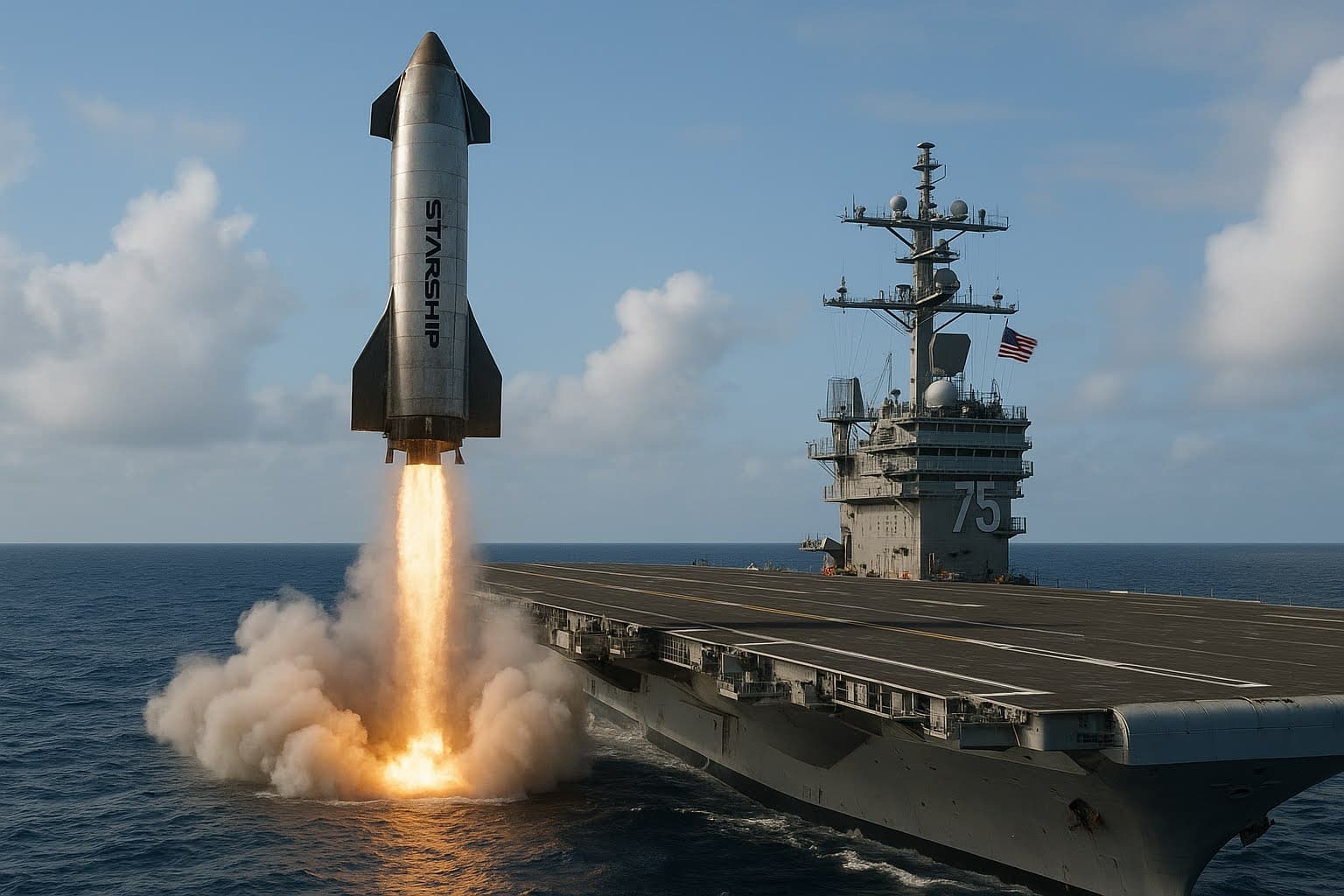
A few images help anchor what the text is describing.

This page mixes real Starbase imagery with one concept-style image because Starship lives in both worlds right now: a real launch system under test, and a cultural object people keep projecting futures onto.

Ships and Boosters

There is one important difference between Starship reuse and booster reuse so far.

SpaceX has already crossed the line into booster reuse, but not yet upper-stage reuse in the integrated campaign. That matters because the booster is the part that has to come back, survive, and be ready to launch again on a much tighter rhythm.

  • SpaceX's public Starship pages track flights by test number and generation more than by a single public serial ledger.
  • Every integrated launch through Flight 12 has used a fresh Starship upper stage; SpaceX has not yet publicly documented an upper-stage reflight in the integrated campaign.
  • The first and only publicly documented Super Heavy reflight so far was Flight 9, which reused the booster from Flight 7.
  • That means Starship has flown 12 upper stages across 12 integrated launches, while Super Heavy has flown 11 unique boosters across those same launches.
Why That Matters

Reusable heavy lift only becomes real when it stops being ceremonial.

A reusable system is not just a rocket that can survive once. It is a system that can come back, get checked, refueled, re-stacked, and trusted again. Flight 9 mattered because it moved Starship from “catching is possible” to “reuse is beginning.”

That is also why Flight 12 is such a hinge point. SpaceX described it as the beginning of the V3 era, with redesigned vehicles, Raptor 3, and a new pad intended to support a much more mature version of the program.

Payloads Deployed by Starship

So far, Starship has officially confirmed 16 successful payload deployments.

These have not been customer satellites yet. They have been Starlink simulators used to prove that Starship can open its payload bay, release objects in space, and keep flying. That may sound modest, but it is one of the most important transitions from test article to working launch vehicle.

Flight 3

Payload door opened and closed in space.

This was the first time SpaceX demonstrated that Starship could mechanically prepare for a future deploy mission.

Flight 4

No hardware deploy. SpaceX described the payload as data.

The mission was focused on reentry, control, and splashdown rather than releasing objects from the payload bay.

Flight 9

Eight Starlink simulator satellites were planned, but none deployed.

The payload bay door failed to open, which forced SpaceX to skip the deploy demo.

Flight 10

Eight Starlink simulators deployed successfully.

This was the first successful payload demonstration from Starship.

Flight 11

Eight Starlink simulators deployed successfully.

This proved the Flight 10 result was repeatable, not a one-off.

Flight 12

SpaceX planned to deploy 22 Starlink simulators, including two meant to image the heat shield.

As of May 23, 2026, SpaceX had not yet posted the same kind of post-flight writeup it had published for Flights 10 and 11, so this page keeps Flight 12's payload outcome explicitly pending.

As of May 23, 2026, the clearly documented total is still 16 successfully deployed Starlink simulators on Flights 10 and 11. Flight 12 had a published plan to deploy 22 more, but this page avoids counting them until SpaceX publishes the corresponding post-flight result.

Plain Truth

Starship is no longer just a promise, but it is not yet a routine transport system either.

It has now shown first launch, first separation, first reentry, first splashdowns, first catch, first reflight, and first payload deployments. The next threshold is consistency: flying often enough, reusing enough hardware, and delivering enough real payload mass that the system stops feeling experimental and starts feeling dependable.

Sources

Primary references used for this page.

SpaceX updates and launch pages were used for the flight-by-flight record. The NASA OIG report was useful for the program-level summary of how the generations and recent milestones fit together.